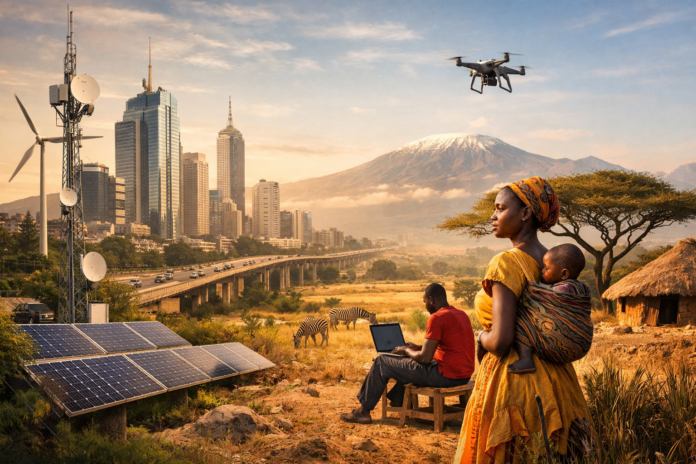
Africa in the 21st century stands at a defining crossroads. Home to the world’s youngest population, vast natural resources, and rapidly expanding digital ecosystems, the continent is full of promise. At the same time, it faces persistent challenges ranging from governance issues to climate vulnerability. Understanding Africa in the 21st century—its challenges and opportunities is essential for policymakers, investors, scholars, and global citizens alike.
This article explores the key forces shaping Africa today, offering a balanced view of the obstacles that must be addressed and the opportunities that could redefine the continent’s future.
Africa in the 21st Century: A Continent in Transition
The 21st century has ushered in dramatic change across Africa. Economic growth, urbanization, technological adoption, and regional integration have accelerated in ways unimaginable just a few decades ago. Yet progress has been uneven, with stark contrasts between regions, countries, and social groups.
Africa’s future trajectory will depend on how effectively it can convert its demographic and resource advantages into inclusive, sustainable development.
Africa’s Principal 21st-Century Challenges
1. Rapid Population Growth and Unemployment
By 2050, the population of Africa is predicted to quadruple, with the majority of its people being under 25. While this demographic trend offers long-term potential, it also creates immediate pressure on:
- Education systems
- Job markets
- Housing and healthcare
Without sufficient job creation, youth unemployment could fuel social unrest and migration pressures.
2. Governance, Political Instability, and Corruption
Weak institutions remain a major barrier in several African countries. Political instability, corruption, and lack of accountability discourage foreign investment and undermine public trust. Although democratic reforms have taken hold in some regions, inconsistent governance continues to limit development outcomes.
Strengthening institutions and the rule of law remains a critical challenge for Africa in the 21st century.
3. Climate Change and Environmental Stress
Despite making a very small contribution to global emissions, Africa is one of the regions most at risk from climate change. Rising temperatures, droughts, floods, and desertification threaten:
- Food security
- Water availability
- Rural livelihoods
Climate-related shocks disproportionately affect smallholder farmers, who form the backbone of many African economies.
4. Infrastructure Deficits
Inadequate infrastructure—particularly in energy, transportation, and internet connectivity—continues to slow economic growth. Power shortages and poor logistics increase the cost of doing business and limit industrial expansion.
Closing Africa’s infrastructure gap requires sustained public and private investment.
5. Health and Education Inequality
While progress has been made in access to education and healthcare, quality and equity remain concerns. Many rural and marginalized communities still lack:
- Trained teachers
- Modern healthcare facilities
- Digital learning tools
Human capital development is essential if Africa is to capitalize on its youthful population fully.
Key Opportunities Shaping Africa in the 21st Century
Despite these challenges, Africa’s opportunities are both significant and transformative.
1. The Demographic Dividend
Africa’s young population could become its greatest asset. With the right investments in education, skills training, and entrepreneurship, the continent can unlock a powerful demographic dividend that fuels productivity and innovation.
Countries that align education systems with labor market needs will be best positioned to benefit.
2. Digital Transformation and Technology Adoption
Mobile technology has already revolutionized Africa, from mobile banking to e-commerce and telemedicine. In the 21st century, Africa is emerging as a hub for:
- Fintech innovation
- Digital payments
- AI and agritech solutions
Startups across cities like Lagos, Nairobi, and Cape Town are solving local problems with globally scalable solutions.
3. Natural Resources and Renewable Energy Potential
Africa holds vast reserves of minerals critical to the global energy transition, including lithium, cobalt, and rare earth elements. In addition, the continent has enormous potential for:
- Solar energy
- Wind power
- Hydropower
If managed responsibly, these resources could drive sustainable growth and energy independence.
4. The AfCFTA, or African Continental Free Trade Area
The AfCFTA represents one of the most ambitious trade agreements in the world. By creating a single market across 50+ countries, it aims to:
- Boost intra-African trade
- Encourage industrialization
- Reduce reliance on raw material exports.
Successful implementation could significantly reshape Africa’s economic landscape in the 21st century.
5. Urbanization and Infrastructure Development
Africa’s cities are growing rapidly, creating demand for housing, transportation, and services. While unmanaged urbanization can strain resources, well-planned cities offer opportunities for:
- Job creation
- Innovation clusters
- Improved living standards
Smart urban planning will be crucial in turning urban growth into an advantage.
Balancing Challenges and Opportunities: The Path Forward
The future of Africa in the 21st century depends on strategic choices made today. Key priorities include:
- Investing in education and skills
- Strengthening governance and institutions
- Adapting to climate change
- Encouraging private sector growth
- Promoting regional integration
In order to shape sustainable development results, partnerships between governments, corporations, civil society, and international stakeholders will be essential.
Conclusion: Africa’s Defining Century
Africa in the 21st century is not defined solely by its challenges or its opportunities, but by the interaction between the two. The continent has the resources, people, capital, and inventiveness required to prosper in a world that is changing quickly.
Whether Africa emerges as a global economic powerhouse or continues to struggle with inequality will depend on leadership, innovation, and inclusive policies. One thing is clear: the 21st century will be a defining chapter in Africa’s story.