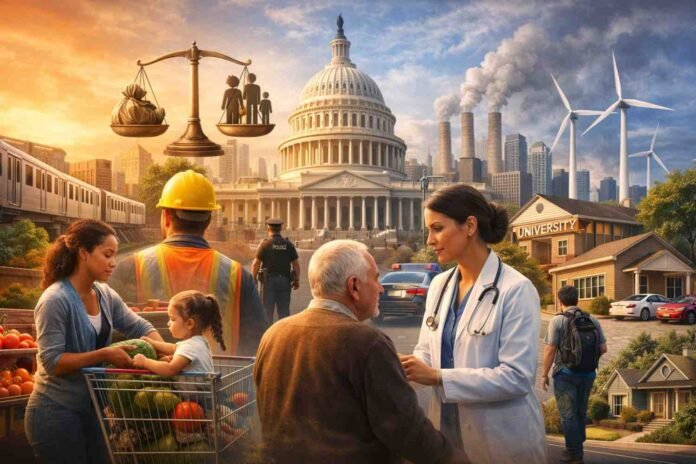
Political policies are often discussed in abstract terms—budgets, reforms, legislation—but their real impact is felt far from government buildings. From the moment people wake up to when they lock their doors at night, political decisions quietly shape daily routines, financial stability, health, education, and even personal freedoms. Understanding how political policies affect citizens’ daily lives helps people make informed choices, engage meaningfully in democracy, and recognize why politics matters beyond elections.
Politics Isn’t Distant—It’s Personal
Many citizens believe politics only matters during elections or major crises. In reality, political policies influence ordinary moments: how much you pay at the grocery store, the quality of your commute, the safety of your neighborhood, and the care you receive when you’re sick. These policies determine not only national direction but individual well-being.
Economic Policies and Household Finances
Cost of Living and Inflation
Economic policies directly affect how far a paycheck stretches. Decisions about taxation, interest rates, minimum wage, and subsidies influence prices on everyday goods such as food, fuel, and housing. When governments raise or lower taxes, households feel the impact almost immediately—either through higher disposable income or tighter budgets.
Employment Opportunities and Job Security
Labor laws, trade agreements, and business regulations shape the job market. Policies that support small businesses can lead to more local employment, while outsourcing-friendly trade policies may reduce domestic job opportunities. Workers also feel the effects of decisions on unemployment benefits, workplace protections, and collective bargaining rights.
Healthcare Policies and Quality of Life
Access to Medical Care
Healthcare policies determine who can see a doctor, how much treatment costs, and whether preventative care is affordable. Public healthcare funding, insurance regulations, and prescription drug pricing all influence daily health decisions—such as whether someone seeks early treatment or delays care due to cost.
Mental Health and Social Support
Mental health services are often the first to feel budget cuts. Political priorities decide whether communities have access to counseling, addiction treatment, and crisis intervention programs. These choices affect not just individuals but families, workplaces, and entire neighborhoods.
Education Policies and Future Opportunities
School Quality and Resources
Education policies influence class sizes, teacher pay, curriculum standards, and school funding. Children in well-funded districts often have access to better facilities and extracurricular programs, while underfunded schools may struggle to meet basic needs. These differences can shape lifelong opportunities.
Student Debt and Higher Education Access
Decisions on tuition regulation, student loans, and grant programs affect whether higher education is attainable or financially overwhelming. For many young adults, political choices determine how long they carry debt and how soon they can buy homes or start families.
Housing and Urban Development Policies
Affordability and Rent Control
Housing policies impact where people can afford to live. Zoning laws, rent regulations, and public housing investments shape rental markets and home prices. When affordable housing is scarce, families may face longer commutes, overcrowding, or housing insecurity.
Infrastructure and Public Spaces
Urban planning decisions affect daily convenience—roads, public transportation, parks, and utilities. Well-planned infrastructure saves time, reduces stress, and improves overall quality of life, while neglect leads to congestion and safety risks.
Public Safety and Legal Policies
Law Enforcement and Community Trust
Criminal justice policies influence how safe people feel in their communities. Decisions about policing, sentencing, and rehabilitation affect crime rates and relationships between law enforcement and citizens. Policies that prioritize prevention and fairness often lead to stronger community trust.
Personal Rights and Freedoms
Laws regarding privacy, speech, and digital surveillance shape how freely people express themselves. Regulations on data protection, internet access, and media freedom increasingly affect everyday online behavior.
Environmental Policies and Daily Health
Air, Water, and Food Safety
Environmental regulations determine the quality of air people breathe and the water they drink. Policies that limit pollution reduce health risks, while weak enforcement can lead to long-term medical issues that burden families and healthcare systems.
Climate Policy and Lifestyle Changes
Climate-related policies influence energy costs, transportation options, and disaster preparedness. Citizens may notice changes through incentives for renewable energy, restrictions on certain products, or increased resilience planning in vulnerable areas.
Why Understanding Political Impact Matters
When people recognize how political policies affect their daily lives, civic engagement becomes more meaningful. Voting, advocacy, and community involvement are no longer abstract duties but practical tools for shaping personal and collective well-being. Awareness also helps citizens hold leaders accountable—not just for promises, but for real-life outcomes.
Final Thoughts
Political policies are not distant decisions made by strangers; they are powerful forces shaping everyday experiences. From finances and healthcare to education and personal freedoms, government actions influence how people live, work, and plan for the future. Understanding how political policies affect citizens’ daily lives empowers individuals to participate actively in democracy and advocate for policies that genuinely improve the quality of life.
In the end, politics is not just about power—it’s about people.