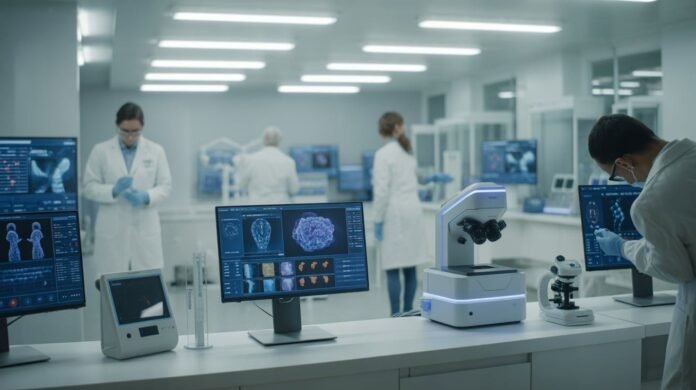
Medical science is evolving at a pace once thought impossible. Every year, researchers uncover new treatments, technologies, and preventive strategies that do more than improve comfort—they actively save lives. From precision medicine to AI-driven diagnostics, today’s medical research advancements are reshaping how diseases are detected, treated, and even prevented altogether.
This article explores the most impactful medical research advancements that save lives, explaining how they work, why they matter, and what they mean for patients worldwide.
1. Precision Medicine: Treating the Patient, Not Just the Disease
Traditional medicine often follows a one-size-fits-all approach. Precision medicine changes that by tailoring treatments based on genetics, lifestyle, and environment.
Why It Saves Lives
- Enables earlier and more accurate diagnoses
- Reduces adverse drug reactions
- Improves cancer survival rates through targeted therapies
For instance, oncologists may now choose treatments that target cancer cells without damaging healthy tissue thanks to genetic testing, significantly improving survival and minimizing adverse effects.
2. Immunotherapy: Reprogramming the Body to Fight Disease
Immunotherapy is one of the most significant medical breakthroughs of the last decade. Instead of attacking the disease directly, it empowers the immune system to do the work.
Life-Saving Impact
- Revolutionary results in melanoma, lung cancer, and leukemia
- Long-term remission in patients once considered terminal
- Fewer long-term complications than chemotherapy
Checkpoint inhibitors and CAR-T cell therapy are now extending lives that previously had limited options.
3. Artificial Intelligence in Medical Research and Diagnosis
AI is no longer futuristic—it’s already saving lives in hospitals and research labs.
How AI Transforms Healthcare
- Detects diseases earlier than human clinicians
- Analyzes imaging scans with near-perfect accuracy
- Accelerates drug discovery timelines by years
AI systems now identify early-stage cancers, strokes, and heart conditions in seconds—often before symptoms appear.
4. mRNA Technology Beyond Vaccines
While mRNA vaccines gained global attention during the COVID-19 pandemic, their true potential extends far beyond infectious diseases.
Emerging Applications
- Personalized cancer vaccines
- Autoimmune disease treatments
- Rapid response to future pandemics
This technology allows scientists to develop treatments in months instead of decades—saving countless lives in emergencies.
5. Regenerative Medicine and Stem Cell Research
The goal of regenerative medicine is to replace or repair damaged organs and tissues, providing hope where none previously existed.
Breakthrough Outcomes
- Restoring movement after spinal cord injuries
- Treating degenerative diseases like Parkinson’s
- Reducing the need for organ transplants
Stem cell therapies are now moving from experimental trials into real-world clinical use.
6. Advances in Early Disease Detection
One of the most effective methods for saving lives is still early detection.
Key Innovations
- Liquid biopsies that detect cancer through blood tests
- Wearable devices monitor heart rhythm and oxygen levels.
- AI-powered screening tools for chronic diseases
Catching diseases early often means the difference between manageable treatment and irreversible damage.
7. Antibiotic Alternatives and Resistance Research
One of the biggest risks to global health is antibiotic resistance. Researchers in medicine are creating cutting-edge substitutes for conventional antibiotics.
Promising Solutions
- Phage therapy using virus-based treatments
- Antimicrobial peptides
- CRISPR-based bacterial targeting
These advancements are critical for preventing once-treatable infections from becoming deadly again.
8. Mental Health Research That Saves Lives
Medical research is finally giving mental health the urgency it deserves.
Breakthrough Areas
- Faster-acting antidepressants
- Digital mental health interventions
- Biomarker-based diagnosis of mood disorders
New treatments are reducing suicide risk and improving quality of life for millions.
9. Global Collaboration Accelerating Medical Breakthroughs
International research collaboration has eliminated traditional barriers to progress.
Why Collaboration Matters
- Shared data leads to faster discoveries.
- Diverse populations improve treatment accuracy.
- Faster responses to global health crises
Open science models are accelerating life-saving discoveries worldwide.
10. What These Medical Research Advancements Mean for the Future
The future of healthcare is:
- More personalized
- More predictive
- More preventive
Medical research advancements that save lives are shifting medicine from reactive care to proactive health preservation—extending not just lifespan, but quality of life.
Final Thoughts
Medical research is no longer confined to labs—it’s directly shaping how long and how well we live. From AI-driven diagnostics to regenerative therapies, these medical research advancements that save lives represent humanity’s best tools against disease, suffering, and premature death.
As science continues to evolve, one truth remains clear: investment in medical research is an investment in life itself.